

Table of contents
The Mid-Autumn skincare gift sets appearing in stores this week were not created this week. In most cases, the decisions that matter were made months earlier: which products would sit together, which components could be supplied at the right quantity, how the box would be assembled, and how much stock could still be sold after the festival date passed.
In 2026, the Mid-Autumn Festival falls on 25 September. It is traditionally connected with the full moon, family reunion, moon viewing, lanterns and the sharing of mooncakes. For a skincare brand, that makes it a natural gifting moment, but it does not make every red-and-gold box a meaningful one.
The short answer
Plan a Mid-Autumn skincare gift set as a product-and-packaging programme, not a seasonal artwork exercise. Fix the gifting purpose and product architecture first, then match the formula, components, box, testing and assembly plan to a realistic quantity and in-market date.
The gift box you see now started months ago
A seasonal set has a hard commercial deadline. Missing an ordinary launch date is expensive; missing Mid-Autumn can leave a brand holding cartons, sleeves and printed inserts that visibly belong to a date that has already passed.
This is why planning should begin from the required arrival date and work backwards. The schedule has to include artwork approval, packaging production, formula and component readiness, any necessary product and packaging tests, bulk production, filling, set assembly, quality release, freight and a selling buffer before the festival.
| Planning gate | Decision that must be closed | What goes wrong when it stays open |
|---|---|---|
| Commercial brief | Recipient, channel, price point and quantity | The set grows without a margin or inventory plan |
| Product architecture | Hero product, supporting products, sizes and routine | A visually attractive box contains a confusing assortment |
| Packaging freeze | Components, decoration, insert, carton and master pack | Separate supplier minimums and lead times surface late |
| Production release | Approved samples, files, tests and acceptance criteria | The factory receives a mood board instead of a controlled specification |
The exact duration varies by product and market. The important point is the sequence. Seasonal demand cannot compress the physical work behind a skincare order, just as a viral sales spike cannot automatically shorten production lead time.
Start with the gifting purpose, not moon graphics
A Mid-Autumn set can serve very different jobs: a premium client gift, a retailer exclusive, an employee programme, a travel-size discovery set or a direct-to-consumer seasonal offer. Each job implies a different quantity, price ceiling, unboxing moment and tolerance for leftover stock.
The full moon is associated with completeness and reunion. A strong design can translate those ideas through a circular opening, products arranged as a complete routine, a reusable box, or an invitation to share. It does not need to stack every familiar symbol into one package. Cultural relevance is clearer when one idea is carried consistently than when moon, rabbit, lantern, peony, red and gold all compete for attention.
Factory-side view
The seasonal idea should explain why these products belong together. The box should not be doing all the storytelling by itself.
Choose the product architecture before the box
There are three useful starting structures.
One hero product with supporting minis
This creates a clear focal point and a discovery experience around it. It can also create more complexity than expected. A mini bottle is not simply a smaller full-size bottle; it may have a different component supplier, decoration method, filling setup and minimum order. Minis make commercial sense when they can be reused for sampling, travel or future kits after the festival.
A complete routine
A cleanser, toner, serum and cream can make the gift feel substantial and easy to understand. The products should still form a coherent routine rather than merely share a colour. A coordinated range such as the Rose PDRN skincare set shows how several formats can share one visual language while keeping distinct roles.

One visual story can contain several bottles, pumps, closures and decoration processes. The set looks unified; its supply commitments are not.
Existing bestsellers in seasonal outer packaging
This is often the most robust route. The formulas and primary components already have operating history, while the seasonal change is concentrated in the sleeve, gift box, insert or card. It also reduces stranded inventory: products that remain after the festival can return to normal sale if the date-specific outer packaging is removable.
The right structure depends on the brief. ELOV's product development process can begin with a ready formula, a modified base or a new development, but the commercial calendar should determine how much change the project can responsibly carry.
Packaging is usually the real constraint
“Gift box” sounds like one line item. It is not. The bottle or jar, pump or cap, colour, coating, printing, label, insert, carton, ribbon, sleeve and master carton may each introduce a separate minimum, supplier and production slot.
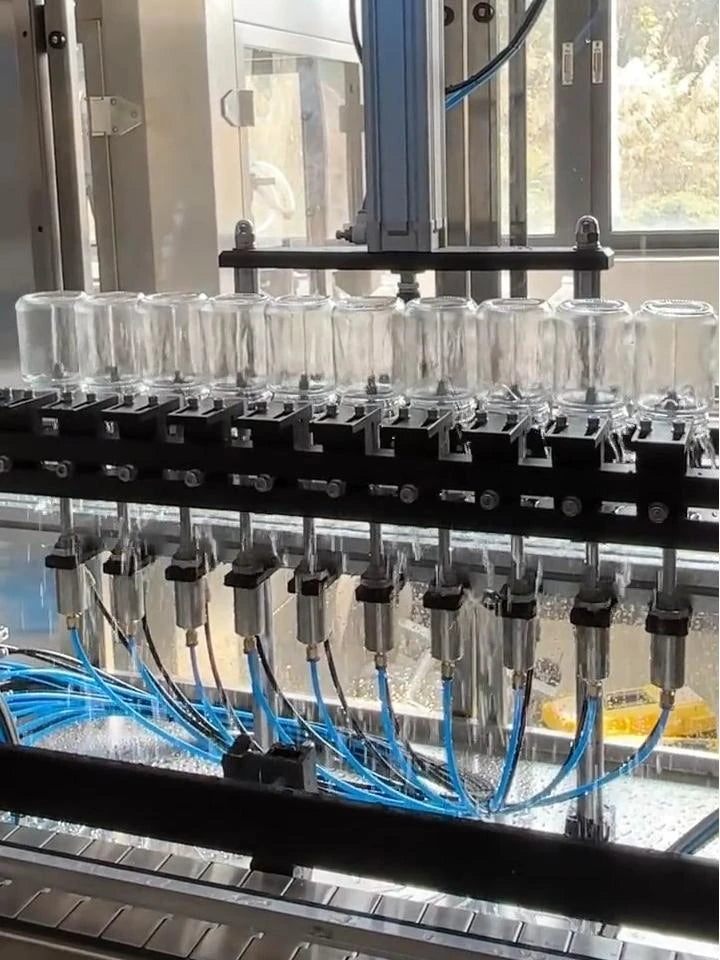
Seasonal artwork sits on a physical supply chain. Component identity, preparation, compatibility and line handling must still be controlled.
A formula may be available at one quantity while the decorated pump requires more. A rigid box may have a minimum that exceeds the planned skincare run. A hand-assembled insert may change labour and packing time. These are also common reasons why two skincare factory quotations can differ even when the products appear similar.
Ask the manufacturer to separate each commitment. Which parts are stock? Which are made to order? Which can be carried into a later run? Who owns tooling and unused packaging? What happens when the festival is over? Packaging choices also need to be reviewed against the destination market and the brand's wider sustainability position; for EU programmes, the PPWR direction makes component-level information increasingly important.
Compare three development routes
| Route | What changes | Relative schedule risk | Best fit |
|---|---|---|---|
| Ready formula + stock pack | Artwork and seasonal outer pack | Lowest of the three, once components are confirmed | Demand testing and shorter calendars |
| Ready formula + custom gift box | Outer structure, insert, finish and assembly | Moderate; packaging becomes the critical path | A stronger seasonal statement without reopening the formula |
| Custom formula + custom components | Formula, primary pack, decoration and set | Highest; development and testing start earlier | A signature programme with enough time and forecast confidence |
None is automatically better. The mistake is choosing the third route because it sounds more premium, then managing it on the calendar of the first.
Testing still follows the finished product
A seasonal box does not remove the need to confirm the exact formula-package combination. A ready formula placed in a new pump, dropper or jar may need compatibility and dispensing review. A new fragrance, colour or active level may reopen stability or performance questions. Outer-pack drop, transit and assembly checks also matter when several products are held in one structure.
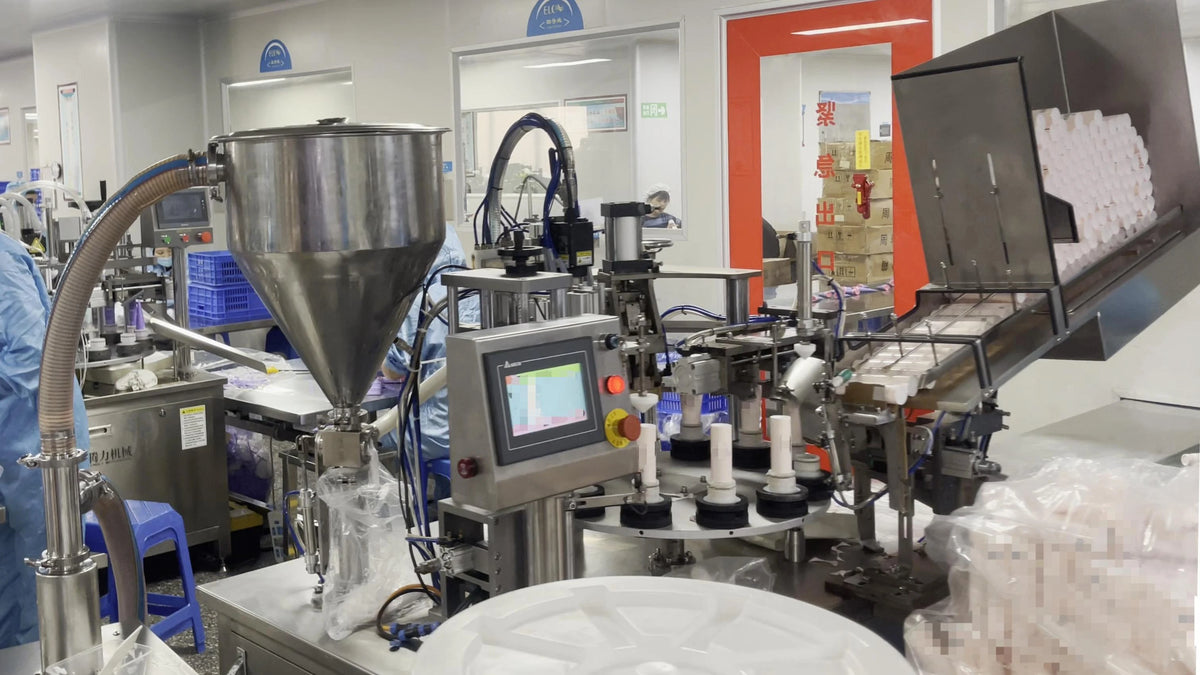
A festival date does not change the production sequence. Approved bulk, packaging supply, line setup, filling, checks and release still happen in order.
What buyers should send before asking for a quotation
A reference picture can start a conversation, but it cannot support a reliable seasonal quotation. A useful brief should state:
- destination market, sales channel and required in-market date;
- target recipient, retail or gifting price and planned quantity;
- preferred product architecture, fill sizes and routine;
- whether formulas are ready, modified or custom;
- which primary components can be stock and which must be customised;
- outer-box structure, finish, insert and assembly expectations;
- claims, tests, documents and acceptance criteria;
- a plan for unused products and date-specific packaging.
A capable skincare OEM/ODM partner should then show the dependencies, not hide them inside one unit price. The resulting production plan should connect approved formulas, components, artwork and quantities to purchasing, batching, filling, packing and release.
The short version
A Mid-Autumn skincare gift set succeeds when the cultural idea, product routine and supply plan support one another. Begin with the recipient and the role of the gift. Choose a product architecture that still makes sense without the festival artwork. Separate every packaging commitment. Work backwards from the in-market date, and protect the business from leftover date-specific stock.
The finished box on this year's shelf should become planning data for next year: which products moved, which components arrived late, where assembly slowed down, what customers kept, and what packaging remained. That is how a seasonal project becomes a repeatable programme rather than an annual rush.
Planning a seasonal skincare set?
Send the destination market, target date, product structure, quantity and packaging direction. ELOV can help identify which route fits the calendar before samples and artwork begin.
Sources: Festival date and public-holiday arrangement: Beijing Municipal Government. Cultural context on reunion, moon viewing, mooncakes and lanterns: Beijing Municipal Government and State Council Information Office. Project timing, MOQ and testing remain product- and market-specific.