
Table of contents
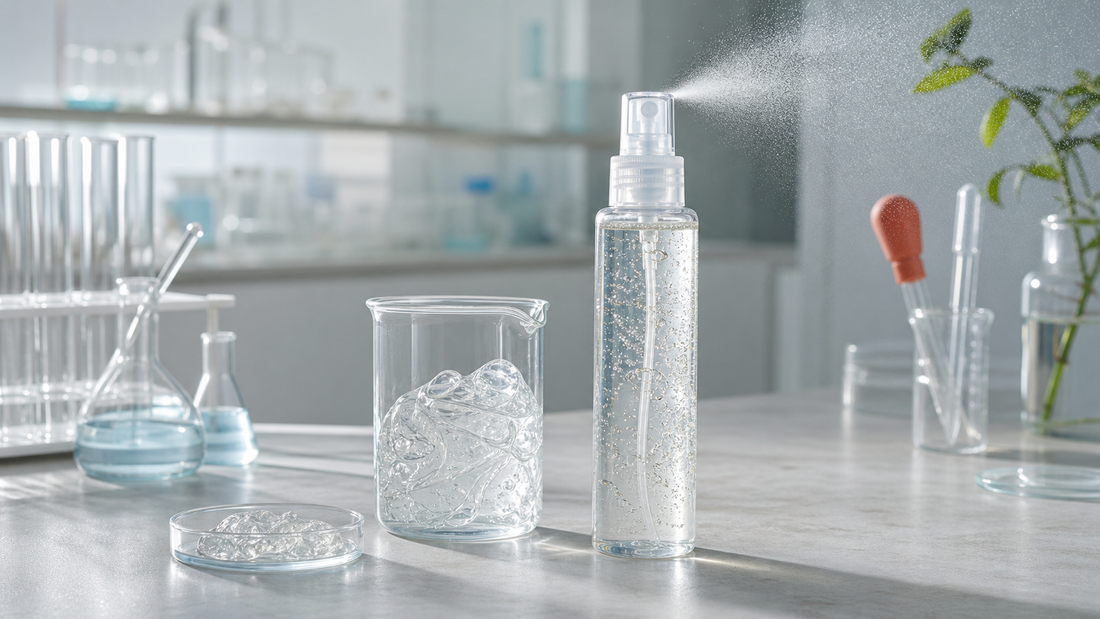
لم يعد يُطلب من رذاذ الوجه مجرد إنعاش البشرة. لقد بدأت التغطية الأخيرة للمنتجات في التعامل مع رذاذ الجيلي والسيروم كصيغة مميزة: أكثر سمكًا من التونر المائي في الزجاجة، ولكن يتوقع أن يخرج من المضخة كرذاذ ناعم ومتساوٍ.
يبدو هذا وكأنه اتجاه في التركيبة. من منظور التطوير، إنها مشكلة تتعلق بالصيغة والتعبئة.
إشارة السوق هذا الأسبوع
يقترب الرذاذ من أن يصبح سيروم، لكن المستخدم لا يزال يتوقع سهولة التغطية التي يوفرها البخاخ.
"الجيلي" لا يصف نتيجة تقنية واحدة
قد يستخدم المشتري كلمة جيلي لوصف المظهر في زجاجة شفافة. وقد يقصد آخر شعورًا ناعمًا بعد الاستخدام. وقد يرغب ثالث في تركيبة تبدو سميكة في وضع السكون ولكنها تصبح سائلة عند الضغط على المضخة.
تؤدي هذه الطلبات إلى أعمال تطوير مختلفة. قبل بدء أخذ العينات، يجب أن تترجم الملخص الكلمة الرائجة إلى هدف مادي.
| ماذا يقول المشتري | ما الذي يجب تعريفه | ما الذي يمكن أن يحدث خطأ |
|---|---|---|
| "يجب أن يبدو كأنه جيلي." | اللزوجة في وضع السكون، والوضوح، والفقاعات، والتدفق داخل الزجاجة | تبدو التركيبة جذابة ولكنها لا تتغذى بسلاسة عبر الأنبوب الغاطس |
| "يجب أن يرش مثل الماء." | إخراج المضخة، تصميم الفوهة، زاوية الرش، ونمط القطرات | يصل الرذاذ في بقع رطبة، أو خيوط، أو نفاثة ضيقة |
| "يجب أن يكون ملمسه كالسيروم." | حمل المرطب، الانزلاق، وقت الامتصاص، اللزوجة، واللمسة النهائية | التركيبة ترطب ولكنها تترك شعوراً لزجًا أو تتكتل تحت المنتج التالي |
يجب أن تغير التركيبة سلوكها في اللحظة المناسبة
غالبًا ما يحتاج رذاذ الجيلي الناجح إلى سلوكين مختلفين. يجب أن يكون لديه هيكل كافٍ لدعم الفكرة البصرية والحسية في الزجاجة. تحت القوة الناتجة عن المضخة، يجب أن يتحرك عبر النظام ويتفتت إلى قطرات.
قد يؤدي جعل التركيبة أرق ببساطة إلى تحسين الرش، لكنه قد يزيل السبب الذي يجعل المنتج مختلفًا عن رذاذ التونر العادي. يمكن أن يؤدي جعلها أكثر سمكًا إلى تعزيز فكرة الجيلي مع التسبب في سوء الامتصاص، أو التجهيز غير المتساوي، أو الرذاذ الخشن.
يظهر نفس التبادل بعد التطبيق. قد يوفر نظام الترطيب الغني ملمسًا يشبه السيروم، ومع ذلك فإن الكثير من اللزوجة يمكن أن تحد من الاستخدام فوق المكياج أو في الطقس الرطب. يمكن للمواد التي تشكل الأغشية والبوليمرات تحسين الملمس الناعم، لكنها تؤثر أيضًا على سلوك الرش والطبقات.
ملاحظة من المصنع
لا توافق على رذاذ الجيلي من عينة كبيرة في كوب. يجب أن تكون المضخة والزجاجة المقصودتان جزءًا من العينة. لا يمكن لاختبار الشعور الجيد باليد تأكيد نمط رش جيد.
المضخة جزء من مواصفات التركيبة
عبوات الرذاذ الناعم ليست مكونًا قياسيًا واحدًا. تختلف المضخات في الإخراج لكل ضغطة، هندسة الفوهة، زاوية الرش، سلوك التجهيز، تصميم الأنبوب الغاطس، ونطاق اللزوجة الذي يمكنها التعامل معه. يمكن أن تبدو نفس التركيبة السائبة مصقولة بمضخة واحدة وضعيفة التحكم مع أخرى.
هذا هو السبب في أن تقييم الرش يجب أن يكون بصريًا وعمليًا. تحقق من النمط على لوحة اختبار، ثم تحقق منه على الوجه بالمسافة المقصودة. قد لا يزال النمط المتساوي على الورق يوفر الكثير من المنتج للاستخدام فوق المكياج. قد يبدو الرذاذ الناعم جدًا أنيقًا ولكنه يتطلب الكثير من الضغط للوصول إلى الجرعة المستهدفة.

الاستخدام يغير النتيجة المقبولة
الرذاذ المصمم للاستخدام كخطوة أولى بعد التنظيف يمكنه تحمل تطبيق أكثر رطوبة لأن المستخدم قد يضغطه على الجلد. المنتج المخصص للاستخدام فوق المكياج يحتاج إلى تغطية أدق، وتقليل الاضطراب، وتحكم دقيق في اللزوجة. الرذاذ المخصص للسفر يحتاج إلى قفل موثوق واختبار تسرب أقوى. يجب أن يستمر اختبار التجزئة في الرش باستمرار بعد الاستخدام المتكرر.
تؤثر القناة أيضًا على الموجز. قد يحتاج المنتج المعروض في مقطع فيديو قصير إلى رذاذ مرئي ووفير. قد يتم الحكم على منتج مميز في المتجر من خلال التشغيل الهادئ ورذاذ متحكم فيه للغاية. المنتج التجاري الإلكتروني يحتاج إلى تعليمات تحدد المسافة الصحيحة وعدد الرشات دون جعل الروتين يبدو معقدًا.
تستحق زخرفة العبوات أيضًا فحصًا مبكرًا. يمكن أن تخفي التجليد، والزجاجات غير الشفافة، أو الملونات حركة التركيبة التي تدعم فكرة الجيلي. الزجاجة الشفافة تجعل التركيبة مرئية، ولكنها تكشف أيضًا عن الفصل، والهواء المحبوس، والأنبوب الغاطس. يجب أن يتفق المفهوم البصري واستقرار التركيبة.

صيغة المنتج عمليًا
مجموعة العناية الفائقة متعددة المناطق للوجه
تجمع هذه المجموعة المكونة من خطوتين بين بخاخ وجه صلب بحجم 55 مل وخمسة لاصقات كولاجين قابلة للذوبان لمناطق الوجه المستهدفة. ليس البخاخ خطوة منعشة معزولة. إنه يحضر منطقة التطبيق للغشاء القابل للذوبان.
تظهر هذه الصيغة لماذا يجب أن يكون الاستخدام جزءًا من مواصفات المنتج. التغطية، الجرعة، وقت الجفاف، والتلامس مع اللاصقة مهمة جنبًا إلى جنب مع نعومة الرذاذ وملمس البشرة.
ما يجب اتخاذه من قرارات قبل طلب العينات
- الاستخدام الأساسي: قبل العناية بالبشرة، بين خطوات الروتين، فوق المكياج، أو أثناء السفر.
- الهدف من التركيبة: جيلي بصري، ملمس بشرة ناعم، سلوك ترقيق بالقص، أو مزيج من هذه.
- اللمسة النهائية: منعش، ندي، شبيه بالسيروم، قليل اللزوجة، أو متوافق مع المكياج.
- الهدف من الرش: رذاذ ناعم، منطقة التغطية، الجرعة لكل استخدام، ومسافة التطبيق المفضلة.
- العبوة: مادة الزجاجة، مصدر المضخة، نظام القفل، الحجم، والزخرفة.
- خطة الاختبار: الاستقرار، التوافق بين التركيبة والعبوة، التسرب، التجهيز، الانسداد، والضغط المتكرر.
كيفية الحكم على العينة الأولى
ابدأ بالتكرارية. جهز المضخة، رش عدة مرات بنفس المسافة، وشاهد ما إذا كان النمط يتغير. اترك العينة غير مستخدمة، ثم اختبرها مرة أخرى. تحقق مما إذا كانت التركيبة تتجمع حول المحرك، وما إذا كان الأنبوب الغاطس يستمر في التغذية، وما إذا كان الثلث الأخير من الزجاجة يتصرف مثل الثلث الأول.
ثم قيم تجربة البشرة في الروتين المقصود. عد مرات الضغط اللازمة للحصول على تغطية مفيدة. لاحظ وقت الامتصاص، واللزوجة بعد دقيقة واحدة، والسلوك تحت واقي الشمس أو المكياج. رذاذ يؤدي أداءً جيدًا فقط عند رشه في اليد يكون قد فاته جزء من وعد المنتج.
رذاذ الجيلي هو اتجاه مفيد لأنه يدفع صيغة مألوفة إلى مساحة أكثر توجيهًا نحو العلاج. لكن قيمته تعتمد على التنفيذ. يجب أن تنجو التركيبة والمضخة والعبوة والجرعة وادعاء الاستخدام من نفس الموجز.
المصادر الملاحظة: تغطية رذاذ الجيلي لعام 2026 من ماري كلير المملكة المتحدة و إيل؛ سياق التعبئة والتغليف من أبتار بيوتي.