
Table of contents
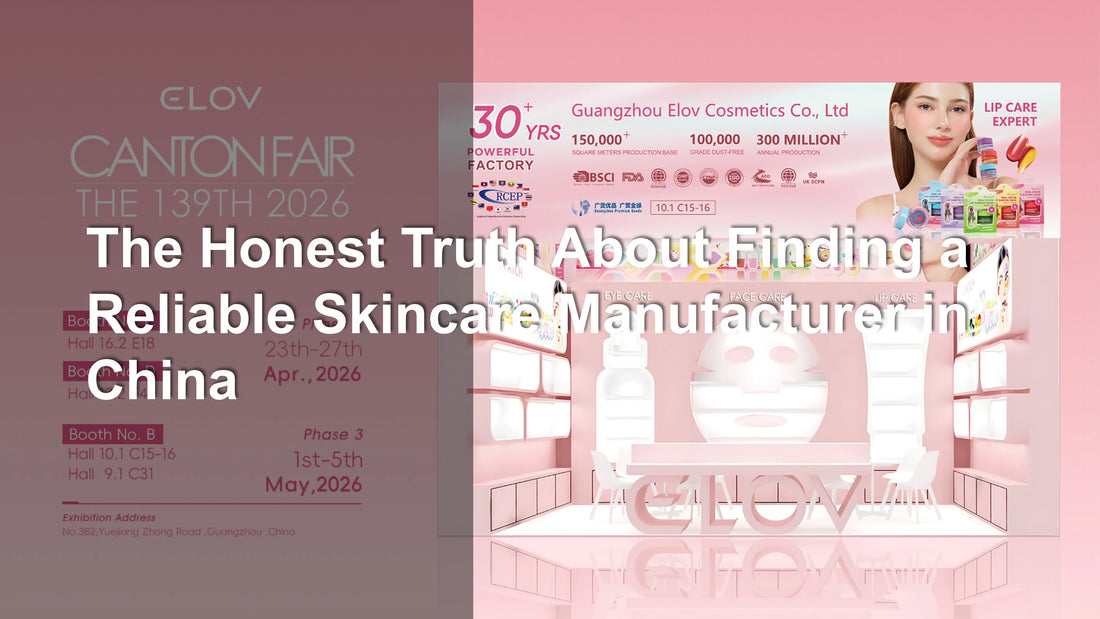
في اليوم الأخير من المعرض، وبعد أن أُزيل نصف الأضواء في جناحنا، كان عميل أمريكي يحمل حقيبة ظهر لا يزال يجلس القرفصاء على الأرض، يقلب "عصا الشمس الزرقاء سريعة الامتصاص" (Quick Sun Stick) بين يديه مرارًا وتكرارًا. لم يكن أول شيء سألني إياه "بكم؟" أو "ما هو الحد الأدنى للطلب (MOQ)؟" بل كان:
"هل يمكنك أن تضمن لي بالفعل أن العصا رقم 10,000 التي سأستلمها ستكون مطابقة تمامًا لهذه التي في يدي؟"
سمعت هذا السؤال تحديدًا 20 مرة على الأقل خلال المرحلتين الثانية والثالثة، من أشخاص من جميع أنحاء العالم.
كان هناك المخضرم في أمازون من أوروبا لمدة 8 سنوات، والمؤسس لأول مرة من سنغافورة، وحتى طالب جامعي من الولايات المتحدة جاء بثلاث أفكار فقط للمنتجات (SKU). أسواق مختلفة، ميزانيات مختلفة، ولكن كل واحد منهم كان يحمل نفس الخوف الأكبر:
كيف أعرف أن هذا المصنع الصيني الموجود على الجانب الآخر من العالم لا يحتال علي بعينة مثالية؟
بصراحة، لا يوجد إجابة مثالية على ذلك. لكننا نعمل في تصنيع منتجات العناية بالبشرة منذ أكثر من 30 عامًا، وبعد التحدث مع عدد لا يحصى من المشترين في معرض كانتون هذا العام - ورؤية كل القصص المروعة وجميع الشراكات الرائعة التي بدأت هنا - لن أعطيك النصيحة العامة التي يمكنك العثور عليها في أي بحث على جوجل. سأخبرك بما رأيناه بالفعل، وما الذي ينجح بالفعل.

1. إذا قدم لك مصنع عرض سعر أقل بنسبة 30% من الآخرين، فلا توقع أي شيء بعد
الجميع يقارن الأسعار أولاً. هذا طبيعي تمامًا. ولكن يمكنني أن أقول لك هذا: 90% من المؤسسين لأول مرة يقعون في "فخ السعر المنخفض".
أخبرني عميل بريطاني قصة مرعبة في هذا المعرض. في العام الماضي، اختار أرخص عرض سعر وجده لمرطب. كانت العينة خالية من العيوب. ولكن عندما وصلت شحنة الكمية الكبيرة إلى المملكة المتحدة، انفصل نصف العبوات إلى ماء وكريم. ألقى المصنع باللوم على "درجات حرارة الشحن العالية" وتبرأ من المسؤولية تمامًا. اضطر إلى تدمير الدفعة بأكملها وخسر أكثر من 100,000 جنيه إسترليني.
لا يأتي فرق التكلفة في منتجات العناية بالبشرة أبدًا من التعبئة والتغليف. بل يأتي من الأشياء التي لا يمكنك رؤيتها:
- هل يستخدمون مواد خام مستوردة أم محلية؟ يمكن للمكون نفسه أن يتضاعف سعره بفرق 10% فقط في النقاء.
- هل خضعت التركيبة لاختبار ثبات دورة درجة الحرارة لمدة 45 يومًا؟
- هل سيجرون فحوصات جودة كاملة على كل دفعة؟
- عندما يحدث خطأ ما، هل سيتحملون المسؤولية أم يختفون؟
على سبيل المثال، خذ كريم "وتر بومب سوربيت" (Water Bomb Sorbet Cream) الخاص بنا. يقول العديد من العملاء "مصانع أخرى تصنع شيئًا مشابهًا بسعر أقل دولارين". لكن تركيبتنا خضعت لاختبار ثبات لمدة 6 أشهر، و12 دورة كاملة من -15 درجة مئوية إلى 45 درجة مئوية، لضمان أنها لن تتحول إلى ماء حتى لو بقيت في سيارة ساخنة لمدة أسبوع. هذا الدولاران الإضافيان يمنحانك راحة البال بعدم الاستيقاظ في الساعة الثانية صباحًا قلقًا بشأن شكاوى العملاء.
2. لا تنتظر حتى بعد الطلب لطلب وثائق الامتثال - اطلبها على الفور
إذا كنت تبيع في الولايات المتحدة أو الاتحاد الأوروبي، فإن الامتثال ليس شيئًا تكتشفه لاحقًا. إنه شريان حياتك. أقول هذا لكل عميل، ثلاث مرات.
أظهر لي عميل ألماني غرامة تلقاها الشهر الماضي. كان مورده قد أعطاه تقارير COA مزيفة، واحتُجزت شحنته بأكملها في ميناء هامبورغ لمدة 3 أشهر قبل إعادتها. قال إن المصنع وعد "لدينا جميع الوثائق" عندما وقع، ولكن عندما طلبها بالفعل، استغرقوا أسبوعًا لإرسال نسخة معدلة بشكل سيء.
المصنع الموثوق به حقًا سيكون لديه جميع وثائق الامتثال منظمة وجاهزة ليعرضها لك فورًا. أحضرنا جهاز لوحي مخصص إلى جناحنا هذا العام، مع مجلدات مصنفة حسب البلد: ISO 22716، تسجيل إدارة الغذاء والدواء الأمريكية، إشعار CPNP، صحيفة بيانات السلامة للمواد (MSDS)، شهادة التحليل (COA)... يمكن للعملاء تصفح كل شيء هناك، وحتى مسح رمز QR لتنزيل النسخ الرقمية الكاملة على الفور.
إذا قال مصنع "لدينا هذه، سنرسلها بعد أن تضع طلبك"، أو سلمك وثائق ضبابية بتواريخ غير متطابقة، فابتعد.
3. لا تصدق "يمكننا صنع كل شيء" - اكتشف ما الذي يجيدونه بالفعل
لقد رأيت العديد من المصانع التي تقول نعم لأي شيء. هل يمكنك صنع أقنعة ورقية؟ نعم. هل يمكنك صنع أمصال؟ نعم. هل يمكنك صنع مكياج؟ نعم. ولكن في الواقع، هم مجرد بيت تعبئة يقوم بالاستعانة بمصادر خارجية لكل تركيبة.
جاء إلينا عميل ماليزي يرغب في تطوير خط مضاد للشيخوخة من الصفر. كان لديه ميزانية محدودة وجدول زمني أضيق. أخبرته بصراحة: لا تبدأ من الصفر. ألقِ نظرة على مجموعتينا الأكثر مبيعًا حاليًا: مجموعة الببتيدات الكولاجينية المرنة والشد (Bouncy & Firm)، وسلسلة إصلاح PDRN الوردية عالية التركيز 5000 جزء في المليون. كلاهما يباع بنجاح في جنوب شرق آسيا لأكثر من عامين. يمكنك وضع علامتك التجارية الخاصة عليهما ويكونان على الرفوف في غضون 6 أسابيع، بدلاً من إضاعة 6 أشهر وعشرات الآلاف من الدولارات على التطوير.
أخذ العينات في ذلك اليوم، واختبرها لمدة أسبوع، وعاد بطلب تجريبي.
لذا قبل أن تبدأ البحث، كن واضحًا بشأن ما تحتاجه:
- إذا كنت علامة تجارية جديدة تختبر السوق: ابحث عن مصنع لديه تركيبات ODM مثبتة وجاهزة للتسويق
- إذا كان لديك علامة تجارية راسخة وتركيبتك الخاصة: ابحث عن مصنع متخصص في تصنيع المعدات الأصلية (OEM)
- إذا كنت تريد منتجات مخصصة وحصرية: ابحث عن مصنع لديه فريق بحث وتطوير خاص به وورشة قوالب
لا يوجد مصنع يجيد كل شيء. هناك فقط المصنع المناسب لوضعك الحالي.
4. الحد الأدنى للطلب (MOQ) ليس أن يكون مرتفعًا أو منخفضًا قدر الإمكان - بل يتعلق بالتناسب
الحد الأدنى للطلب (MOQ) هو في الواقع "ملف تعريف العميل" للمصنع مكتوبًا بالأرقام.
إذا كان كل منتج يصنعه المصنع يتطلب حدًا أدنى للطلب يبلغ 5000 وحدة، فهم مصممون للعلامات التجارية الكبيرة. لن يهتموا أبدًا بطلبك الصغير. سيتم تأجيل طلبك إلى آخر جدول الإنتاج، وستكون التأخيرات لمدة شهر أو شهرين أمرًا طبيعيًا.
ولكن إذا قال لك مصنع "يمكننا عمل حد أدنى للطلب 50 لأي شيء"، فهذه أيضًا علامة حمراء. هذا يعني دائمًا تقريبًا أنهم لا يملكون خط إنتاج خاص بهم - هم مجرد وسيط سيجمع طلبك مع طلبات الآخرين ويرسله إلى ورشة صغيرة عشوائية. لن يكون لديك أي سيطرة على الجودة أو التسليم.
بالنسبة للعلامات التجارية الجديدة، النقطة المثلى هي 1000-3000 وحدة. هذا يكفي لجعل المصنع يأخذ طلبك على محمل الجد، ولكنه ليس كثيرًا لدرجة أنك ستعلق بمخزون لا يمكنك بيعه. معظم منتجاتنا لديها حد أدنى للطلب 1000 وحدة، وبالنسبة للخطوط الشهيرة مثل مجموعة العناية بالبشرة المبردة، يمكننا حتى النزول إلى 500. نريد أن نمنح العلامات التجارية الجديدة فرصة لاختبار السوق دون المخاطرة بكل شيء.
5. تحدث إليهم عن المكونات والتركيبات - لترى ما إذا كانوا يعرفون بالفعل ما يتحدثون عنه
هذه أسرع طريقة أعرفها لاكتشاف المصنع السيء.
في هذا المعرض، كان العديد من المشترين يطرحون أسئلة محددة للغاية: "ما نوع السيراميد الموجود في مصلك المهدئ؟" "من أين تحصلون على مادة PDRN؟" "هل هذا آمن للبشرة الحساسة؟"
كان بعض الموردين يكررون نفس العبارات العامة: "مكوناتنا هي الأفضل!" "إنها تعمل بشكل مذهل!" "يمكنكم الوثوق بنا!" ولكن إذا سألتهم أي شيء أعمق، فإنهم يصمتون.
مهندس البحث والتطوير لدينا كان في الجناح معنا، ويمكنه التحدث إليك لمدة نصف ساعة عن الفرق بين Ceramide 3 و Ceramide 6II. يمكنه شرح بالضبط لماذا صممنا خط PDRN الوردية الخاص بنا بتركيز 5000 جزء في المليون بدلاً من المعيار الصناعي 1000 جزء في المليون. يمكنه عرض تقارير الاختبارات السريرية التي تظهر بالضبط مدى تحسن ترطيب البشرة بعد 28 يومًا من الاستخدام.
لا تحتاج إلى أن يكون المصنع خبيرًا في التسويق. لكنهم يحتاجون تمامًا إلى فهم المنتج الذي يصنعونه، ولماذا يعمل. إذا كانوا لا يعرفون ما بداخل زجاجاتهم، فكيف يمكنك الوثوق بهم لجعله صحيحًا؟
6. التعبئة والتغليف ليس مجرد فكرة متأخرة - معظم الكوارث تحدث هنا
لقد رأيت الكثير من الناس يقضون 90% من وقتهم في إتقان تركيبتهم، فقط ليتم تدمير إطلاق منتجهم بالكامل بسبب سوء التعبئة والتغليف.
جلب أحد العملاء زجاجة مصممة خصيصًا به إلى المعرض وطلب منا تعبئتها. ألقى مهندسنا نظرة واحدة وقال: "هذه الزجاجة لن تعمل". كانت تركيبته تحتوي على زيوت أساسية تتفاعل مع مادة PETG التي اختارها. بمرور الوقت، ستتسرب، وسيتغير لون المنتج.
انتهى بنا الأمر بتوصية نفس العبوات PP ذات الالتفاف التي نستخدمها لبلسم التنظيف اللفّاف (Twist-Up Cleansing Balm) الخاص بنا، وقد حلت المشكلة تمامًا.
المصنع الجيد يفعل أكثر من مجرد ملء الزجاجات. سوف يقومون بما يلي:
- اختبار التوافق بين تركيبتك وتغليفك
- التوصية بمواد أفضل وأكثر فعالية من حيث التكلفة
- مساعدتك على تحسين تصميمك للإنتاج الفعلي
إذا أنفقت آلاف الدولارات على القوالب وآلاف أخرى على التعبئة والتغليف لتكتشف أنها لا تعمل مع منتجك، فلا رجعة فيها.
7. ستعرف مدى جودة تواصلهم بعد رسالة اختبار واحدة
هذا هو العامل الأكثر تقليلاً من قيمته، وهو الذي سينقذك أو يكلفك ثروة.
الكثير من الناس ينظرون فقط إلى السعر والعينات، ويتجاهلون التواصل تمامًا. ثم يبدأ الإنتاج، ويدركون أن المصنع يستغرق ثلاثة أيام للرد على الرسائل، ويقول "لا مشكلة" لكل شيء، ويختفي عندما يحدث خطأ ما.
أخبرني عميل كندي أن مصنعه السابق استغرق ثلاثة أيام للرد على رسالة تسأل عن تواريخ التسليم. كانت الإجابة النهائية مجرد "قريبًا". انتهى الأمر بتأخر الطلب شهرًا، وفاتته موسم مبيعات الصيف بأكمله.
فريق المبيعات لدينا يعمل على مدار الساعة طوال أيام الأسبوع. سواء كنت تسأل عن تركيبة في الساعة الواحدة صباحًا أو تتحقق من تقدم الإنتاج في عطلة نهاية الأسبوع، ستحصل على رد في غضون 30 دقيقة. وإذا كانت هناك مشكلة، سنخبرك على الفور - لن ننتظر حتى تطاردنا.
التصنيع هو عمل خدمي. الأمور ستسير دائمًا بشكل خاطئ في بعض الأحيان. المصنع الذي يتواصل بشكل جيد سيحل 80% من تلك المشاكل قبل أن تتحول إلى كوارث.
8. استخدم العينات بنفسك بالفعل - لمدة أسبوع كامل
هذه هي الخطوة الأخيرة، وهي الأكثر تسرعًا فيها.
الكثير من الناس يحصلون على عينة، يضغطون قليلاً منها على أيديهم، يشمونها، ويقررون أنها جيدة. لكن معظم المشاكل لا تظهر إلا بعد استخدام المنتج لعدة أيام:
- هل يتكتل الكريم تحت المكياج؟
- هل المصل لزج ودهني؟
- هل يترك واقي الشمس طبقة بيضاء؟
- هل فوهة الرذاذ ناعمة بما يكفي بالفعل؟
نرسل دائمًا عينات بالحجم الكامل للعملاء، وليس مجرد أكياس صغيرة. نطلب منهم استخدامها بأنفسهم، وإعطائها لأصدقائهم وعائلاتهم، والأهم من ذلك، إعطائها للأشخاص الذين يطابقون عميلهم المستهدف. ستكون ملاحظاتهم أكثر صدقًا من أي تقرير مختبري.
أخذ عميل أسترالي عينة من رذاذ الجسم المنعش (Refreshing Body Mist) الخاص بنا، واستخدمها كل يوم لمدة أسبوع، وعاد قائلاً: "هذا بالفعل يعطي شعورًا منعشًا عند رشه - مثالي لصيفنا". وقدم طلبًا لـ 2000 وحدة في نفس اليوم.

أفكار أخيرة
الكثير من الناس يسألونني: "ما الذي يجعل المصنع موثوقًا به؟"
بعد معرض كانتون هذا، أكثر من أي وقت مضى، أعرف الإجابة: الموثوقية لم تكن أبدًا شيئًا واحدًا. لا يتعلق الأمر بمدى كبر المصنع، أو مدى فخامة آلاتهم، أو مدى انخفاض سعرهم.
إنها عندما تطلب وثائق، ويسلمونها لك على الفور.
إنها عندما تتحدث عن التركيبات، ويكونون يعرفون بالفعل ما يتحدثون عنه.
إنها عندما يحدث خطأ ما، ولا يلومونك أو يختفون - يجلسون معك ويصلحونه.
إنها عندما يقولون إنهم سيسلمون في غضون 15 يومًا، وتصل الشحنة بالفعل في غضون 15 يومًا.
أفضل الشراكات لا تبدأ أبدًا بطلب ضخم. تبدأ بتواصل واضح، وعدد قليل من المنتجات المختبرة جيدًا، وثقة تتراكم بمرور الوقت.
في معرض كانتون هذا، أحضرنا ثلاث من مجموعاتنا الأكثر شعبية: خط العناية بالبشرة المنعش للصيف، وسلسلة مكافحة الشيخوخة المرنة والشد التي تمنح امتلاءً للبشرة، ومجموعة إصلاح PDRN الوردية عالية الأداء بتركيز 5000 جزء في المليون. سواء كنت ترغب في الإطلاق بسرعة بتركيباتنا المثبتة أو إنشاء منتج مخصص بالكامل من الصفر، يمكننا المساعدة.
إذا كنت تبحث حاليًا عن مصنع لمنتجات العناية بالبشرة، أو حتى إذا كان لديك مجرد أسئلة حول كيفية عمل الصناعة، فلا تتردد في التواصل معنا. حتى لو لم نعمل معًا في النهاية، إذا تمكنت من مساعدتك في تجنب أحد الأخطاء التي رأيت الكثير من الناس يرتكبونها، فإن الأمر يستحق ذلك.